&geometry(167x91) "Ure's Country Kitchen")

Mini-Golf Legends: Exploring the Quirky History of the Game
When you step onto the lush, beautifully manicured surroundings of the 18-hole course at Ure’s Country Kitchen in Amherstburg, your mind is probably focused on a few immediate, practical things. You’re checking the subtle angle of the slope on the synthetic turf, keeping a watchful eye on the rushing water feature cutting through the fairway, trying to out-maneuver your highly competitive kids, and quite frankly, already dreaming about the exact flavor of premium ice cream you’re going to reward yourself with at the finish line.
What you almost certainly aren't thinking about is the historical reality that by holding that putter, you are actively participating in a century-old global phenomenon. It is a game that was once considered highly scandalous, deeply rebellious, explicitly banned by religious authorities in certain jurisdictions, and later embraced as a favorite pastime of classic Hollywood royalty.
The history of mini-golf is far wilder, quirkier, and more fascinating than most people realize. It didn't just magically appear out of thin air as a casual, modern companion to roadside ice cream stands or suburban batting cages. Instead, mini-golf evolved through high-society loopholes, weathered the devastating economic hardships of the Great Depression, and underwent a massive mid-century design revolution to become the beloved family tradition we know today.
So, find yourself a wonderfully comfortable seat at one of our rustic tables, perhaps treat your tastebuds to a fresh, steaming cup of our signature freshly brewed coffee along with a decadent, warm slice of our famous homemade fruit pie, and let’s set off together on an immersive, highly entertaining trip straight down memory lane. Together, we will pull back the curtain and deeply explore the legendary, completely unexpected, and utterly delightful historical timeline of the beloved game of mini-putt.
From its quiet, rule-bending beginnings in the seaside towns of nineteenth-century Europe to the glittering, star-studded skyscraper rooftops of the roaring jazz age, this is a sport that has constantly reinvented itself to bring people closer together. It is a journey marked by incredible human resilience, brilliant grassroots engineering born out of economic hardship, and a continuous passion for lighthearted, wholesome recreation. As you sit back and enjoy a taste of our authentic small-town hospitality, you’ll discover how a simple putting green evolved into a global pop-culture phenomenon and a timeless cornerstone of family-friendly entertainment that we are incredibly proud to keep alive today right here in Essex County.
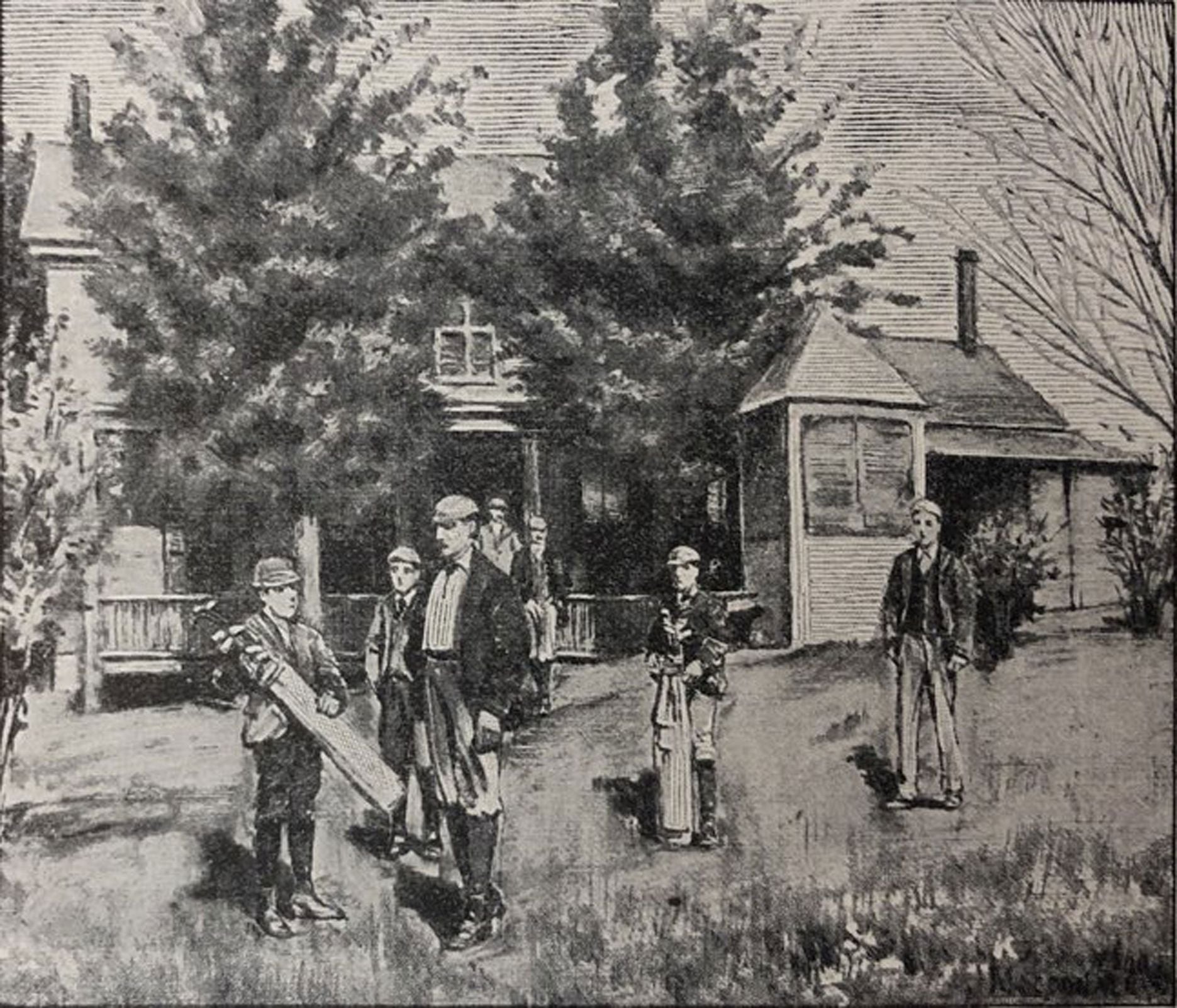
1. The Scandalous Scottish Birthplace (1867)
To find the true, unfiltered origin story of miniature golf, we have to travel across the Atlantic Ocean and step back into the windswept, coastal town of St. Andrews, Scotland, during the mid-19th century. St. Andrews is globally revered and fiercely protected as the ancient, hallowed birthplace of traditional golf. However, while the men of Victorian-era Scotland were free to roam the massive links for hours on end, the rigid societal norms of the day dictating what constituted "appropriate" and "ladylike" behavior created a major cultural obstacle.
The "Ladies' Putting Club" and the Call to Rebellion
In the 1860s, it was widely considered entirely unladylike for women to play traditional golf. The mainstream society gatekeepers of the era argued that the aggressive, full-body swinging of a heavy wooden golf club was visually unseemly for a proper woman. Furthermore, medical "experts" of the time bizarrely claimed that walking miles through rough, muddy sand dunes and tall grass was physically hazardous to a woman’s delicate constitution.
But the independent, forward-thinking women of St. Andrews were absolutely not about to let the men have all the sporting fun.
In 1867, a group of determined, rebellious women officially banded together to form the St. Andrews Ladies' Putting Club. Because they were effectively barred from the main championship course, they took matters into their own hands and designed a miniature, 18-hole, putting-only course on a small parcel of land located right next to the famous links.
This historic plot featured real, natural grass, rolling miniature hills, and tiny, challenging sand traps. It was engineered specifically so that women could engage in the intense competitive strategy and mental focus of golf without the "unladylike" social necessity of executing a powerful, full-body swing.
Did You Know? The very first mini-golf course in the world is still fully operational today! It became affectionately known by locals as "The Himalayas" due to its incredibly steep, rolling natural turf topography.
What started as a quiet, clever bypass of Victorian sexism quickly became a smashing success. The venue turned into a vibrant social hub, proving that the distilled essence of golf—the precise art of the putt—was an addictive, wildly entertaining game entirely in its own right. Without even realizing it, those bold Scottish women had just laid down the foundational stone in the global history of mini-golf.
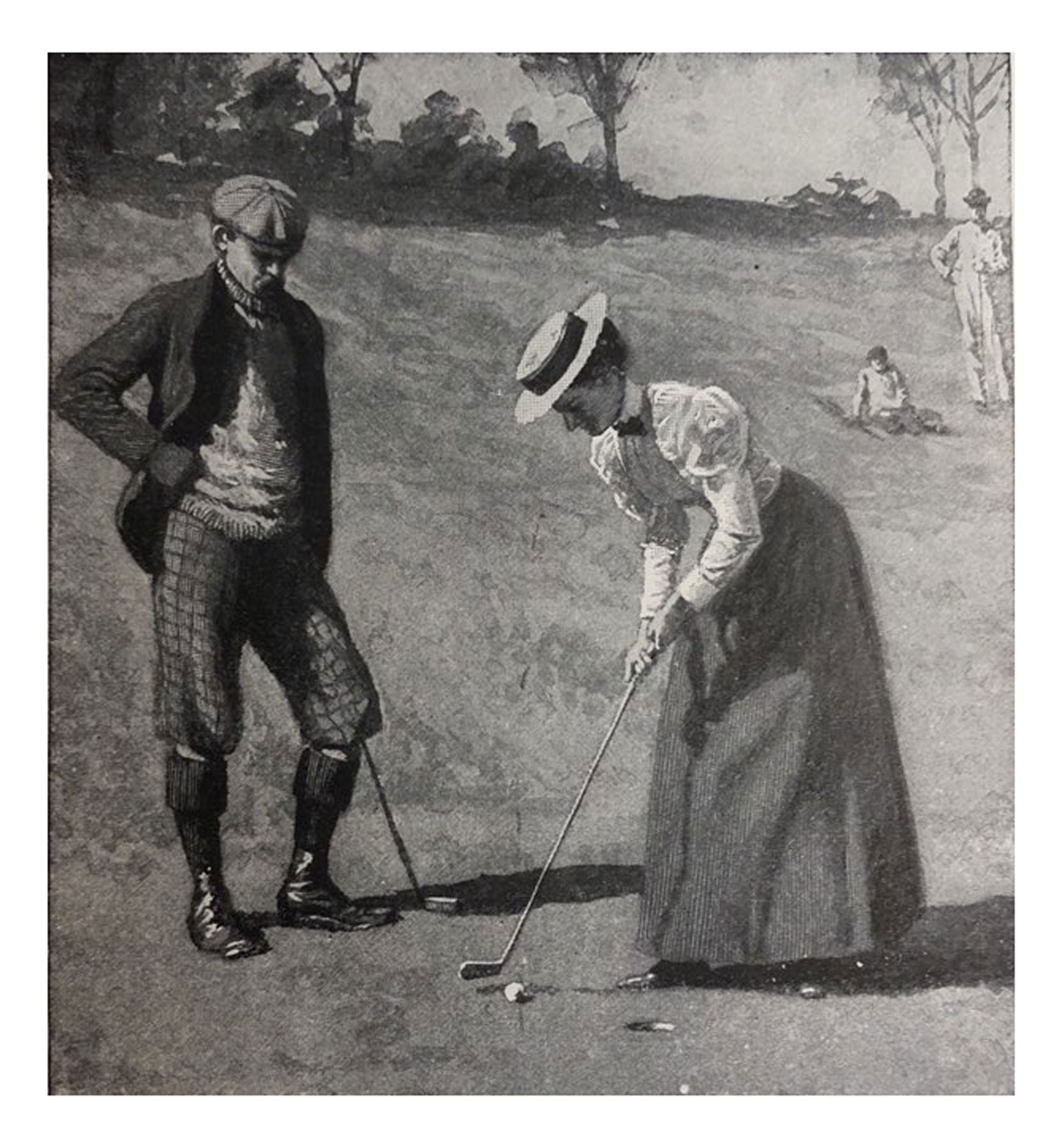
2. The Roaring Twenties and the Rooftop Explosion
Following the conclusion of the First World War, the global landscape shifted dramatically. We enter the Roaring Twenties—an era defined by rapid urbanization, jazz music, economic prosperity, and an insatiable public appetite for novel forms of commercial entertainment.
In the United States and Canada, traditional golf had ballooned into the ultimate status symbol for the ultra-wealthy. However, real estate was premium, and building a full-sized country club required sprawling, massive plots of expensive land far outside of metropolitan areas. Creative urban entrepreneurs quickly realized they could bring the joy of the game directly to the working-class masses by radically shrinking the physical footprint of the sport and moving it into the heart of the city.
"Glowley Golf" and the Cottonseed Revolution
The true catalyst for the commercial mass production of miniature golf arrived in the late 1920s, thanks to an eccentric, inventive industrialist named Thomas McCulloch Fairbairn. Prior to Fairbairn's intervention, miniature courses utilizing natural grass were incredibly difficult and expensive to maintain within a concrete city environment.
Fairbairn completely revolutionized the entire industry by patenting an artificial turf surface made from an incredibly bizarre, recycled ingredient: compressed cottonseed hulls mixed with heavy oil and green dye.
This new, highly durable material meant that a perfectly smooth, weather-resistant putting green could be built literally anywhere—on concrete lots, inside old theaters, and most famously, on the vacant rooftops of skyscrapers.
Suddenly, a massive pop-culture craze exploded across North America. Mini-golf tracks, often called "Glowley Golf" or "Tom Thumb Golf," erupted on the rooftops of luxury high-rises in New York City, Chicago, and Los Angeles. It became a glittering, glamorous playground for high-society elites, stylish flappers, and legendary Hollywood silent film stars like Mary Pickford, Douglas Fairbanks, and Charlie Chaplin.
By the year 1930, historical records indicate there were over 25,000 miniature golf courses operating simultaneously across North America—with several thousand located exclusively on the high-rent rooftops of Manhattan alone! It was the ultimate, fashionable date-night activity of the jazz age.
3. The Great Depression and "Rinkydink" Engineering
The dizzying, star-studded glamour of the rooftop mini-golf era came to a screeching, sudden halt in late October of 1929. The stock market crashed, plunging the global economy into the dark, devastating depths of the Great Depression. The expensive luxury rooftop courses, which charged high entry fees to wealthy patrons, went bankrupt almost overnight as disposable income vanished.
However, a very fascinating psychological phenomenon occurred: while the public's bank accounts were entirely depleted, their psychological desire for affordable, lighthearted escapism from the grim realities of daily life was stronger than ever before. People desperately needed a reason to smile, but they needed to do it for pennies.
How Deprivation Bred Incredible Creativity
Because everyday citizens could no longer afford to play on commercial, manufactured courses, a spectacular wave of grassroots innovation swept across towns, cities, and rural farmlands alike. People began building their own homemade, fiercely creative versions of mini-golf in vacant dirt lots, residential backyards, abandoned warehouses, and quiet street corners.
This distinctive, hardscrabble era birthed what cultural historians officially classify as "Rinkydink Golf" or "Depression-Era Putt-Putt."
Without access to expensive construction materials, professional blueprints, or green cottonseed turf, these grassroots creators looked entirely around their homes, local scrap yards, and neighborhoods for structural inspiration. They masterfully constructed obstacles and fairways out of absolute junk and everyday discarded items:
Old automobile tires sliced in half to create curved, rubber banking walls.
Worn-out wagon wheels that served as crude, spinning obstacles.
Drained oil cans and tin pipes buried in the dirt to act as underground tunnels.
Smashed construction bricks arranged to form complex, geometric hazards.
Hollowed-out logs and old gutters used to transport balls across uneven terrain.
This specific era of intense financial hardship is actually what permanently injected the core DNA of "quirkiness" and whimsy into the history of mini-golf. The wacky, found-object obstacles that we today view as a deliberate, highly stylized vintage aesthetic were originally born out of pure, raw economic necessity and brilliant, small-town blue-collar engineering. It proved that you didn't need a million dollars to create a space for joy and laughter.

4. The Mid-Century Pop-Culture Revolution
As the global economy eventually recovered following the conclusion of World War II, the late 1940s and 1950s ushered in a massive suburban boom, the rise of automobile culture, and the golden age of the family road trip. With more families purchasing cars and exploring highways, mini-golf went through its final, massive structural transformation to become the family-oriented, highly interactive entertainment powerhouse we easily recognize today.
Al and Bob Lomma: The Architects of the Windmill
In the mid-1950s, two visionary brothers from Binghamton, New York—Al and Bob Lomma—completely reinvented the mechanical landscape of the sport. They recognized that the static, junk-built obstacles of the Depression era could be upgraded using modern, post-war mechanical engineering. They founded Lomma Enterprises and pioneered the mass production of animated, motorized mini-golf obstacles.
Suddenly, a mini-golf course wasn't just a flat putting green with a few static pipes or bricks. It was transformed into an interactive, theatrical, and moving storybook world! The Lomma brothers introduced the iconic, motorized wooden windmills whose sweeping blades you had to time perfectly to avoid having your ball swatted away. They designed snapping mechanical alligator jaws, moving clown mouths, and loop-the-loops that forced the golf ball to completely defy gravity through pure physics and momentum.
At the exact same time, a competing architectural philosophy arose via a company called Putters Park. While the Lomma brothers focused heavily on wacky mechanical gadgets, Putters Park began focusing deeply on lush, high-end botanical landscaping. They pioneered the integration of beautiful, cascading rock waterfalls, winding concrete streams, rustic pedestrian bridges, and complex botanical gardens directly into the 18-hole layouts.
SNAPSHOT OF THE EVOLUTION OF MINI-GOLF COURSE DESIGN
- 1867 (Scotland) --> Real grass, natural rolling dunes
- 1920s (Manhattan) --> Flat cottonseed turf, urban rooftops
- 1930s (Depression) --> Scrap metal, old tires, tin cans
- 1950s (Suburbia) --> Motorized windmills, animated hazards
- Modern Day (Ure's) --> Lush landscaping + classic obstacles
The game had officially completed its long journey from a scandalous Scottish club and high-society urban skyscraper rooftops to find its permanent, wholesome home as a classic, universally accessible staple of community destinations and family day trips.
5. Mini-Golf’s Journey to the Great White North
As the mid-century mini-golf craze swept across the United States, it didn't take long for the phenomenon to cross the border into Canada. Throughout the 1960s and 1970s, mini-putt courses began popping up along major Canadian highways, transforming provincial travel routes into corridors of neon-colored family fun.
In Ontario, and specifically within the unique, sun-drenched landscape of Essex County, mini-golf quickly evolved into an essential rite of passage for the classic Canadian summer. It became inextricably linked with the local tourism ecosystem—the perfect, active pit-stop for families spending their weekends exploring the shorelines of Lake Erie, visiting historic local sites, or packing up the station wagon for a day trip to the beach.
The game resonated deeply with Canadians because it aligned perfectly with our cultural appreciation for outdoor recreation, accessible community spaces, and unpretentious, intergenerational fun.
Continuing the Legend at Ure’s Country Kitchen
When we first sat down to deliberately design and build our award-winning 18-hole course here at Ure’s Country Kitchen in Amherstburg, we didn't just want to build a random collection of green paths. We wanted to pay a deep, respectful homage to all of the absolute best chapters of this incredible, century-old history.
We looked at the natural, rolling topography of the original 1867 Scottish "Himalayas" course, combined it with the lush, serene botanical landscaping concepts of the mid-century Putters Park movement, and sprinkled in the timeless, satisfying strategy of classic, whimsical structural obstacles.
Our course features its very own winding streams, beautiful pedestrian bridges, and a grand, turning gristmill waterwheel that serves as a beautiful visual centerpiece while providing a genuine, historic challenge that tests the timing and patience of even the most seasoned putters in Windsor-Essex.
WHAT MAKES URE'S 18-HOLE COURSE LEGENDARY?
- Deep Historical Roots: Inspired by 150+ years of game design
- cenic Waterways: Active streams and cascading water hazards
- The Gristmill Challenge: A moving obstacle testing your timing
- Complete Inclusivity: Designed for ages 2 to 92 to compete fairly
When you pick up a putter at Ure’s, you aren't just playing a simple, modern lawn game; you are stepping directly into a vibrant, living historical timeline of family entertainment that has brought unbridled smiles, competitive groans, and pure laughter to human faces for over 150 years. You are walking the same path as the rebellious women of St. Andrews, the high-society flappers of Manhattan, and the creative engineers of the Great Depression.
So, the next time you drop by Ure's Country Kitchen for a hearty morning breakfast, a satisfying family lunch, or a sweet afternoon treat from our ice cream parlour, we invite you to step out onto the greens. Pick up a putter, select your favorite brightly colored ball, step up to the very first tee box, and proudly write your very own family's chapter in the legendary, quirky, and utterly wonderful history of mini-golf!